Understanding Baptist Beliefs: Core Principles Explained
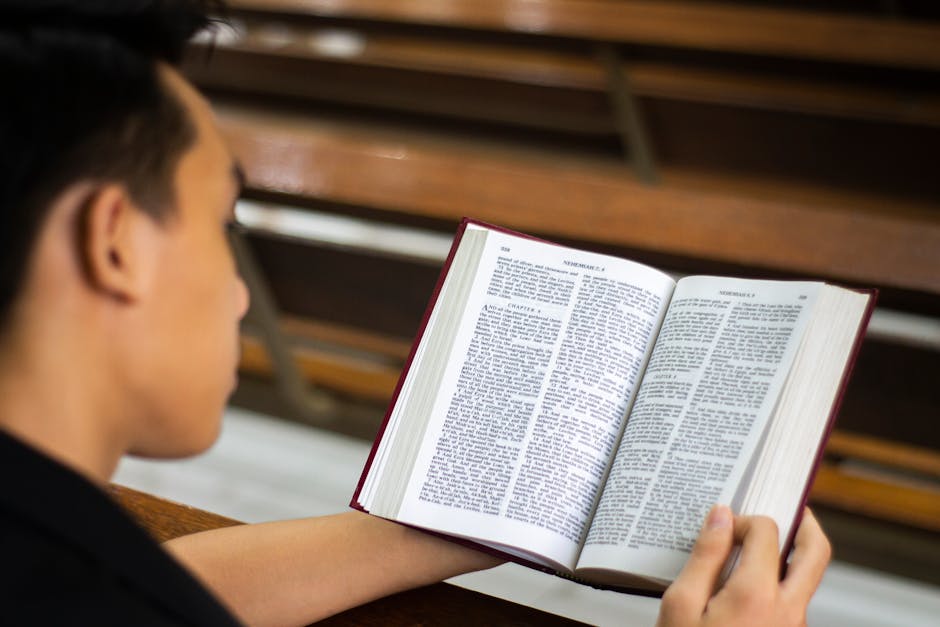
If you're new to Baptist churches or simply curious about what Baptists believe, you might wonder what makes us distinctive. While we share much in common with other Christian denominations, Baptist churches do have some particular emphases that shape how we worship and live out our faith.
The Baptist tradition emerged in the 1600s and is rooted in a desire to return to biblical Christianity. Rather than following complex church hierarchies or traditions developed over centuries, Baptists emphasize going back to Scripture as our primary authority. We ask: what does the Bible actually say?
Several core Baptist principles define our approach:
- The Authority of Scripture – We believe the Bible is God's Word and our guide for faith and practice
- Individual Conscience – Each person has the right and responsibility to interpret Scripture and make faith decisions themselves
- Believer's Baptism – We baptize people who have made a personal decision to follow Jesus, not infants
- The Priesthood of All Believers – Every Christian has direct access to God; you don't need a priest as an intermediary
- Local Church Autonomy – Each congregation governs itself under Christ's leadership
- Separation of Church and State – Religious faith should be voluntary, not coerced by government
These principles might sound abstract, but they have practical implications for how we worship and serve. Because we emphasize individual conscience, you'll notice we encourage questions and discussion. We don't expect blind agreement; we value thoughtful engagement with faith.
Our approach to baptism is particularly distinctive. When an adult or young person decides to follow Jesus, they're baptized by immersion—going completely underwater and coming back up. This isn't a ritual we perform on infants. Instead, baptism represents a conscious personal commitment to Christ. It's a beautiful public declaration of an inner transformation.
Another important principle is that we believe in the spiritual equality of all believers. You don't need special credentials or priestly robes to pray, read Scripture, or serve God. This democratizes faith in a wonderful way. It means your insights matter. Your prayers count. Your service is valuable.
Finally, Baptists have historically championed religious freedom. We believe faith must be voluntary to be genuine. This conviction led early Baptists to advocate for freedom of conscience even when it was unpopular. We still value this today.
If these principles resonate with you, you might find a Baptist church to be a natural spiritual home.